Satellite Dishes and Tax Wishes: Making Change possible
-

- Stuart Mackinnon
- 4 December 2025
- 5 minute read

More than a week after the Budget you might feel like every conceivable angle has been covered. But squirreled away in the budget documents, I found a line that hints that property tax reform could be in the pipeline.
One of the announcements related to a High Value Council Tax Surcharge (HVCTS) for residential properties in England worth £2million or more from April 2028. New charges start at £2,500 per year, rising to £7,500 per year for properties valued above £5 million, and will be levied on property owners rather than occupiers.
The reaction to this move has been mixed, with some people in line to pay the charge unhappy and some policy experts saying that it isn’t the radical change to the property tax system required.
Over the weekend, I began to wonder how they’d identify these properties, especially since the last valuation was conducted in 1991. A single line in the Budget document says: “This charge will be based on updated valuations to identify properties above the threshold and will be in addition to existing Council Tax.”
A Shadow Revaluation on the Horizon?
This note suggests to me that Ministers have instructed HMRC (who recently absorbed the VOA) to conduct at least some of the groundwork necessary for a revaluation of domestic properties. Indeed, I wonder if the Government is keen on delivering a dummy revaluation (in England) to see what the impact of a real revaluation might be on individual households and on local government finance. This shadow revaluation is maybe justified by the income raised through the HVCTS – though questions are already being asked by the property industry. And it is being suggested that the UK government might try out quicker and easier ways to conduct a revaluation using satellite technology amongst other innovations, like the internet.
This change got me thinking about the small steps that make change possible.

Lessons from Past Tax Reforms
Fifteen years ago it was announced HMRC didn’t have the capabilities to administer a different rate of income tax north of the border even if the Scottish Parliament voted for this move. You can dig into the circumstances that led to this situation in this parliamentary question but in retrospect it seems likely that the political horizon scanning at that time couldn’t see a scenario where they’d vary the basic rate.
Later on with more complex income tax powers coming to Holyrood, HMRC had to do the work to identify Scottish tax payers with an ‘S’ tax code in the mid 2010s. This allowed in 2017 for the Scottish Parliament to vary Scotland’s income tax rates from the rest of the UK.
Why Invisible Infrastructure Matters
What’s your point caller? I’m interested in the technical and bureaucratic stepping stones required to bridge the gap between where we are and where we’re going. I’m interested in the opportunity to share practical knowledge about how to do stuff between jurisdictions of the UK to make change smoother.
During the covid crisis, we saw governments turning to everything from prescriptions data to the valuation roll, to HMRC tax returns to try and identify the people and businesses in the most trouble during the pandemic. That wasn’t because these were the most accurate means of assessing vulnerability, but rather they were all governments had.
Sharing Knowledge Across Jurisdictions
When I was at the Re:State conference last month, there was much excitement about the prospect of a tourism visitor levy powers coming to mayoral authorities in England. While there was a vague recollective that Scottish local authorities had the power to set a similar tariff, what there wasn’t was any knowledge of the various stooshies and administrative problems.
And at the same event in a session looking at future devolution to strategic authorities, there seemed to be limited knowledge of the upheavals we’ve seen outside England when we’ve changed who makes the decisions and who runs part of the state.
As my colleague Adam has outlined, there seems like an opportunity to share some learning across jurisdictions as often to say don’t do it like Scotland, Wales and Northern Ireland as to say follow their lead.
Big reforms rarely hinge on a single announcement, they depend on the invisible scaffolding of systems and processes that make them workable.
Whether it’s revaluing properties for a tax surcharge or coding identifiers for devolved income tax, these steps are rarely glamorous, but they are essential.
What role can organisations outside government play in suggesting the technical innovations to make change possible?
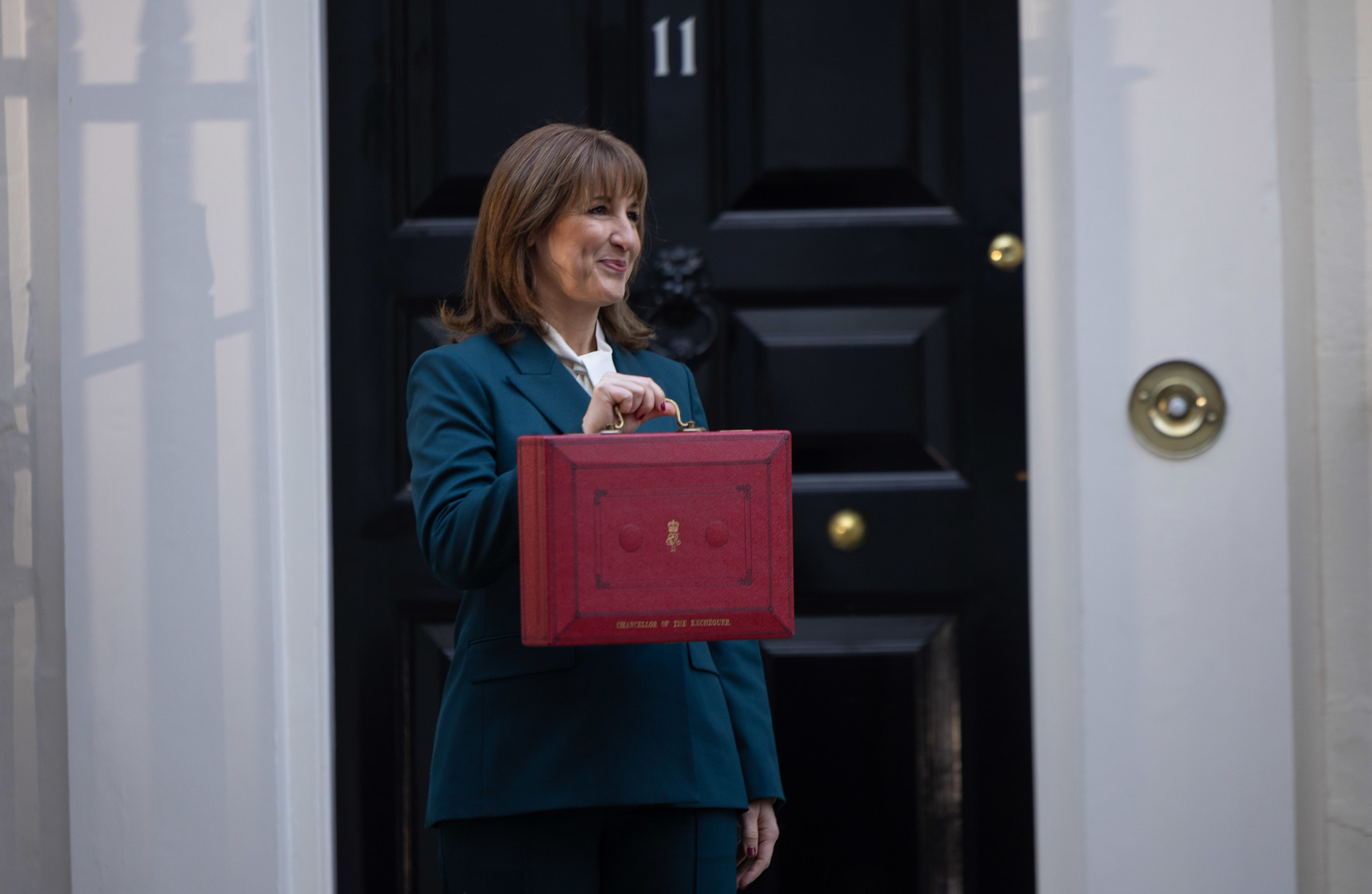
Header image shows The Chancellor of the Exchequer Rachel Reeves leaving Downing Street to deliver the Budget. Picture by HM Treasury on Flickr
Help us make the case for wellbeing policy
Keep in touch with Carnegie UK’s research and activities. Learn more about ways to get involved with our work.
"*" indicates required fields