Carnegie UK and Sowing our Horizons – building an enduring relationship
-

- Sarah Davidson, Carnegie UK
- 29 September 2026
- 3 minute read
It’s seven years this autumn since I arrived at Carnegie UK. One of the first things that I was asked by my new colleagues was whether they could assess and start improving our environmental practice. The answer (after “yes please”) turned into a year-long staff and trustee engagement process which culminated in signing the ACF-hosted Funder Commitment on Climate Change (FCCC).
One of the most significant steps we took was to commission a comprehensive eco-audit of our operations. By 2023 we could demonstrate that our total operational carbon emissions had reduced by 78.6 tons from 2020; we’d reduced our electricity consumption by 46% and were now net zero for energy consumption, and we’d reduced the number of flights we took by 96%
We still report annually on our FCCC commitments and work hard to keep climate and environmental issues alive in our day-to-day choices.
Our eco-auditor put our mission at the heart of his recommendations. Not only did that help to embed collective wellbeing in our operations, it was also a way of reminding us that our mission was our priority. As he said – yes, aim to minimise print runs, but if there is a time when you will best get your message across by putting reports into people’s hands, that’s what you should do.
Following the audit, we put in place a travel hierarchy which makes clear that flying should be the choice of last resort. However, we work in all parts of the UK and the Republic of Ireland, covering large distances with a small staff team. We also have a commitment to staff wellbeing and nights away from home don’t always work alongside our caring responsibilities. Events – especially involving the kind of decision makers we want to influence – often get organised at short notice and with limited flexibility.
All this means that we do still sometimes need to use air travel. But we notice the discomfort and have never felt entirely happy with the compromise represented by our notional off-setting contributions.
Sowing our Horizons has turned out to be the answer to this challenge. It’s a tangible, local way in which we can take the money we’d otherwise put into an off-set black box and apply it instead to the food ecosystem on our own doorstep. Why local food? Because the global food system is one of the largest contributors to climate change, the leading driver of biodiversity loss, and a major contributor to human ill health.
As an organisation that is interested in how the whole system functions, Carnegie UK particularly liked SOH’s approach of investing in ecosystems of work, rather than separate organisations. Through amplifying collective impact, it aims to boost a local economy that better serves societal wellbeing.
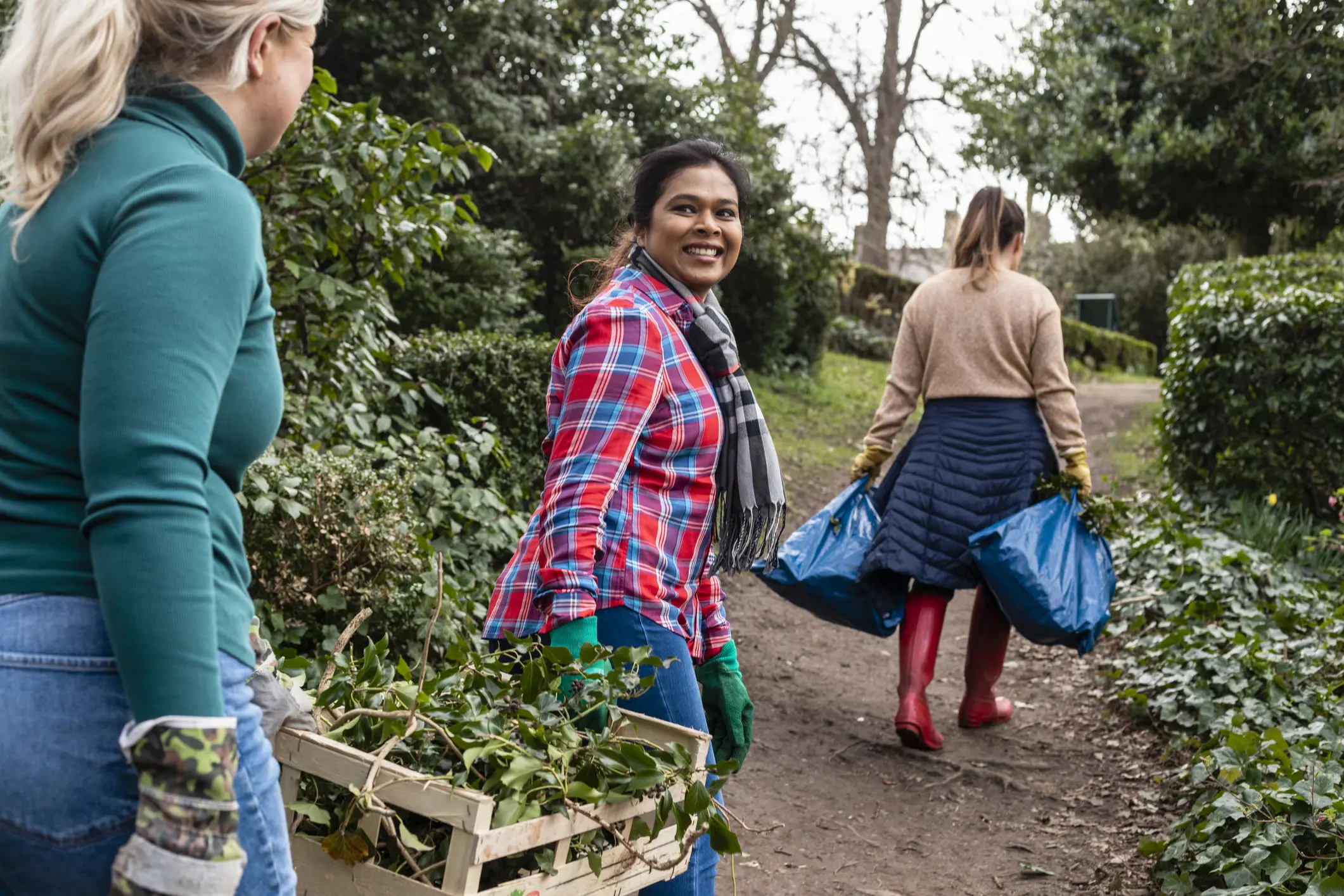
It’s a simple and straightforward process; for each business flight that a colleague or trustee takes, we pay a suggested sum directly into the Sowing our Horizon’s pot. In return, we know that we are directly supporting community wellbeing as represented by Lauriston Agroecology Farm, Scran Academy and Granton Community Gardeners. We can even visit and experience for ourselves the personal wellbeing gains offered by shared food, growing it and being in nature.
We’re excited by this new relationship and the opportunity it offers us to do something different as we all try to adapt to an increasingly frightening and warming world. If you’ve flown lately – for business or pleasure – why not join us and put something in the pot?
Help us make the case for wellbeing policy
Keep in touch with Carnegie UK’s research and activities. Learn more about ways to get involved with our work.
"*" indicates required fields